8 Jobs Worth Doing Yourself, and the Ones That Are Not
The decision to do work yourself is usually framed as confidence, and is better framed as risk and regulation.
1. Where DIY reliably saves
Decorating, which is mostly time and preparation.
Flat-pack assembly and shelving.
Replacing tap washers, toilet fill valves, door furniture and sealant.
Basic garden work.
The common factor: mistakes are cheap and visible, and nobody needs certification.
2. Where it usually costs more
Anything requiring certification. Gas work in particular is restricted to registered engineers in most jurisdictions, and unregistered work is both dangerous and unlawful.
Notifiable electrical work, which varies by jurisdiction but commonly includes consumer units and new circuits.
Structural alterations, which need calculations and approvals.
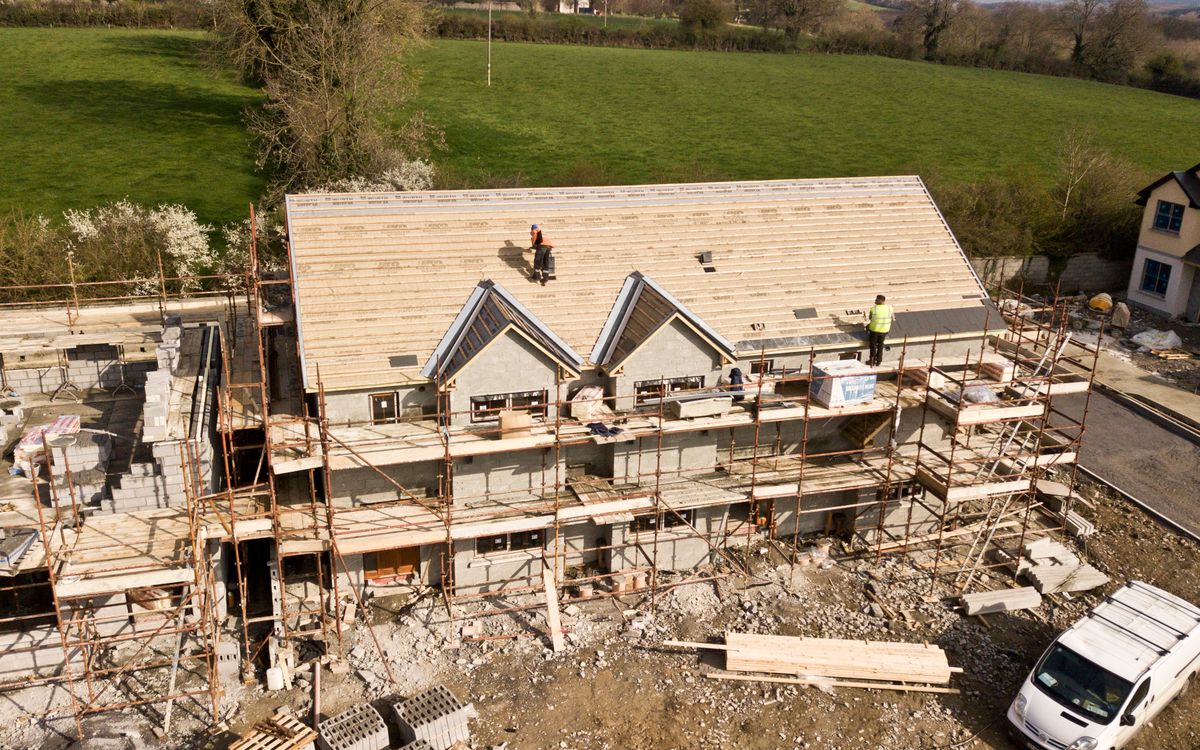
Roof work and anything at height, where the injury risk outweighs any saving.
Work affecting a party wall or a listed building.
3. The hidden costs of doing it yourself
Tools bought for one job, unless they will be reused or hired.
Material wastage while learning, which on tiling or wallpaper can be substantial.
Time, particularly where the room is unusable meanwhile.
Rectification, which costs more than the original job would have.
4. Insurance and resale
Some insurance policies exclude damage arising from unqualified work.
Conveyancing enquiries ask for certificates for regulated work, and their absence causes delays and price reductions.
Keep certificates and receipts for everything, including work you did yourself where a building control sign-off applies.
5. A middle path
Do the preparation and finishing yourself and pay for the skilled portion — stripping and clearing before a trade arrives reduces their hours.
Ask a tradesperson to quote for the specific part you cannot do rather than the whole job.
Start with small reversible jobs and build from there.
6. Judging your own capability honestly
The relevant question is not whether you could follow the steps but what happens when something unexpected appears midway.
Opening up a wall, a floor or an appliance frequently reveals a second problem, and the skill is in recognising it rather than in the original task.
If discovering a complication would leave the house unusable, that argues for a professional regardless of the basic difficulty.
7. Tools: buy, hire or borrow
Hire anything you will use once — floor sanders, tile cutters, scaffold towers — and the hire cost usually includes the maintenance and the learning is supported.
Buy tools you will use repeatedly, and buy decent ones for anything with a motor or a blade.
Tool libraries and neighbourhood sharing schemes exist in many areas and cost very little.
8. Getting the preparation right
Most visible failures in DIY come from insufficient preparation rather than poor execution — unfilled holes, unsanded surfaces, unprimed wood.
Preparation is also the part that takes longest, so budget roughly twice the time you expect for it.
Buy slightly more material than calculated; running out midway through causes batch mismatches in paint, tile and wallpaper.
Final Thoughts
Doing it yourself saves labour and only where mistakes are cheap and nobody needs certification. Gas, notifiable electrical work, structural alterations and anything at height belong to someone qualified and insured.
Author: This article is general information only and does not constitute professional advice. Circumstances vary, and you should consult a qualified professional before making decisions based on this content.
Article Was Generated By AI.